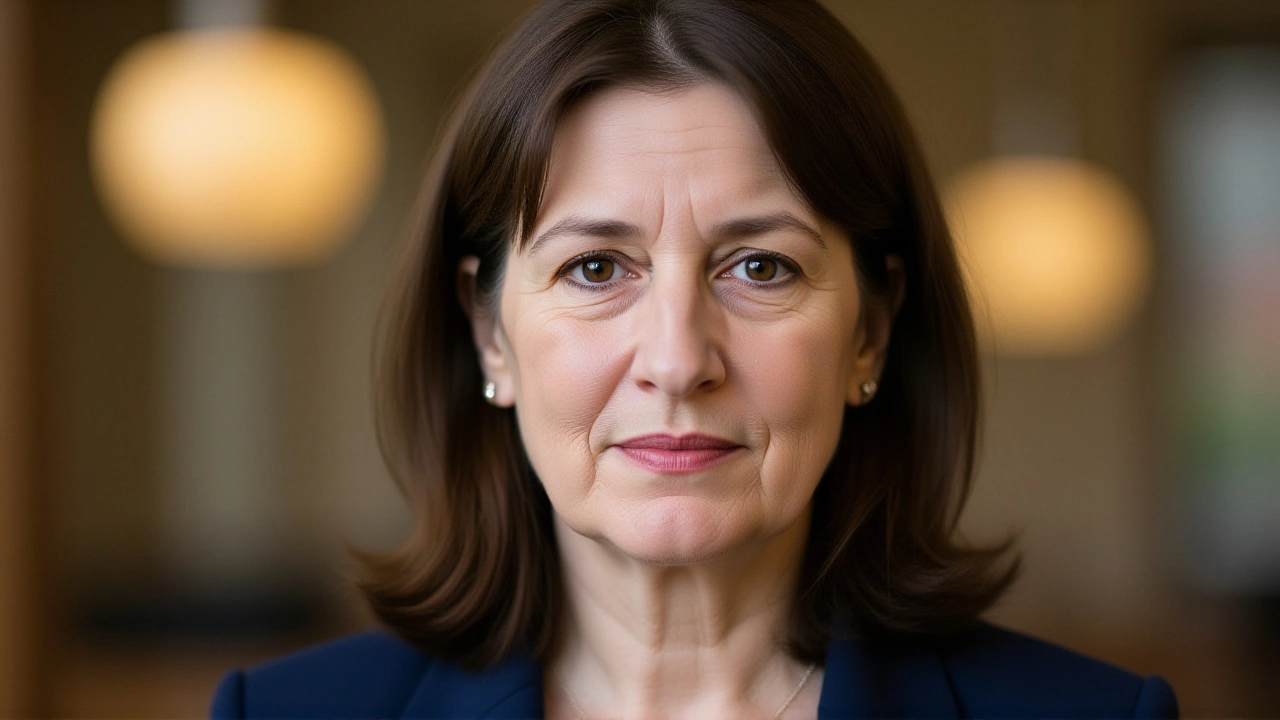
Chancellor Rachel Reeves delivered the Spring Statement 2025 in the House of Commons at 12:30pm on March 26, 2025 — and while she publicly ruled out any new tax hikes, the message was clear: austerity is back, just without the headline-grabbing rate increases. The public heard promises of fiscal responsibility. What they got was a quiet but deep restructuring of Britain’s social safety net, public services, and tax enforcement — all while defense spending rose and civil servants were told to pack their desks.
"No New Taxes" — But the Bills Are Still Rising
Reeves made headlines by declaring, "There will be no further tax rises in this Parliament," a line repeated in every press briefing after the statement. But behind the reassurance, the Treasury had already engineered a different kind of tax increase. The income tax threshold freeze — now locked in until at least 2028 — continues to pull millions of workers into higher tax brackets as wages rise with inflation. With inflation sitting at 2.8% and pay growth hovering around 4%, that freeze is effectively a stealth tax rise — and it’s getting worse every month. Financial analysts at the Institute for Fiscal Studies calculated that, by 2028, the average worker will pay £1,200 more in income tax than they would have if thresholds had kept pace with inflation since 2010.Meanwhile, HMRC began enforcing steeper penalties on late tax payments starting April 6, 2025. Miss a VAT payment by 15 days? That’s 3% added. Still not paid after 30? Another 3%. And if you’re 31 days late? A punitive 10% per year on the outstanding balance. Interest rates on overdue taxes also jumped 1.5 percentage points. For small businesses and self-employed workers — already squeezed by Making Tax Digital expansion — this isn’t just a fine. It’s a survival test.
Welfare Cuts: The Under-22 Rule
The most controversial move? Eliminating the health-related component of Universal Credit for anyone under 22. The government argues that young people are "more likely to return to work" and that the health element was being "abused." But charities like Turn2Us and the Child Poverty Action Group point to data showing over 60% of under-22 claimants receiving this support have diagnosed conditions like anxiety, depression, or chronic pain — many undiagnosed until after they applied. Cutting this support won’t magically get them jobs. It’ll get them deeper in debt.Prime Minister Keir Starmer had set the tone weeks earlier during a visit to Ukraine, declaring he’d be "ruthless" in cutting benefits. His ministers now frame it as a "moral case" — that work is dignity. But the reality on the ground? Job centers are understaffed, apprenticeship programs are underfunded, and youth unemployment in coastal towns like Blackpool and Grimsby has risen 9% since last year. The moral case doesn’t hold up when the ladder is missing rungs.
10,000 Jobs Gone — And Defense Gets the Boost
The Office for Budget Responsibility (OBR) had recommended 10,000 Civil Service cuts to stabilize public finances. The government didn’t just accept it — they accelerated it. Departments from the Department for Education to the Ministry of Housing are being told to shrink by 15-20% over the next 18 months. No one’s saying exactly who’s going — but early signs suggest administrative staff, policy analysts, and frontline welfare advisors are first in line.Meanwhile, defense spending rose by £3.2 billion, funded by tapping into existing Treasury reserves and redirecting money previously earmarked for foreign aid. The UK’s international aid budget, already cut to 0.5% of GNI in 2021, is now effectively frozen at that level — a move the Foreign Office quietly called "strategic realignment." Critics call it abandonment. In Sudan and Gaza, aid agencies are already scaling back operations. The message from London? Security at home comes first. Even if it means leaving others behind.
The OBR’s Quiet Warning
Paragraph 2.47 of the OBR’s March 2025 Economic and Fiscal Outlook is easy to miss — buried between projections on housing and inflation. But it’s the most damning line in the entire document: "Real household disposable income is projected to rise by £500 by 2029-30, provided income tax thresholds are unfrozen."That’s right. The Chancellor’s office presented a £500 gain as a win. But it’s conditional on a policy they’ve already rejected. Bishop Fleming, former bishop of Southwark and now a vocal economic commentator, called it "rather disingenuous." "They’re showing you a future that requires them to reverse course — and then saying, ‘Look how good we are!’" he told The Guardian. "It’s like offering someone a sandwich, then taking the bread away and calling it a feast."
The OBR also warned that sluggish productivity — now projected to grow at just 0.8% annually — will cost the Treasury £16 billion in lost tax revenue by 2030. That’s not a glitch. It’s a structural problem. And Reeves’ plan doesn’t fix it. It just kicks the can down the road — to the Autumn Budget 2025.
What’s Next? The Autumn Bombshell
Reeves’ fiscal rules — no borrowing for day-to-day spending — are her golden handcuffs. The government has already used up the room for cuts. The welfare and civil service reductions are nearly exhausted. Defense is now funded by raiding reserves. That leaves one option: taxes. And the market expects it.Speculation is swirling about inheritance tax reforms, ISA caps being lowered, and even VAT on private school fees — a move that could raise £1.8 billion annually. The Chancellor’s team is reportedly drafting options. What’s clear? The Spring Statement wasn’t the main event. It was the overture. The real music starts in October.
Why This Matters to You
If you’re on Universal Credit, you might lose support you didn’t know you were relying on. If you’re a small business owner, HMRC’s new penalties could turn a missed payment into a financial emergency. If you’re a young person struggling with mental health, this policy assumes you’re lazy — not unwell. And if you’re paying income tax, your take-home pay is shrinking, even if your salary hasn’t changed.The government says it’s "fixing the books." But what’s being fixed isn’t just the budget. It’s the social contract. And millions of Britons are being asked to pay the price — not with a tax bill, but with their safety net.
Frequently Asked Questions
How does the under-22 Universal Credit cut affect young people with health conditions?
The removal of the health-related element affects an estimated 140,000 young adults under 22 who receive Universal Credit. Many have undiagnosed or fluctuating conditions like anxiety, chronic fatigue, or long-term pain. Without this support, some will lose up to £120 per month — money often used for transport to medical appointments or specialist equipment. Charities warn this could push more into homelessness or crisis debt.
Why is the income tax threshold freeze called a "stealth tax rise"?
Because as wages rise with inflation, more people are pushed into higher tax bands without their pay increasing in real terms. Since 2010, the freeze has raised the average worker’s tax bill by over £2,000. In 2025, an employee earning £30,000 pays £340 more in income tax than they would have if thresholds had kept pace with inflation since 2010 — all without a single rate change.
What’s the impact of the new HMRC late payment penalties?
Starting April 6, 2025, anyone overdue on VAT or self-assessment taxes faces a 3% penalty after 15 days, another 3% after 30, and 10% per year thereafter. For a £5,000 tax bill unpaid for 90 days, that’s £750 in penalties — more than most small businesses make in a week. HMRC estimates 1.2 million individuals and businesses will be affected annually, with sole traders hit hardest.
Will the 10,000 Civil Service job cuts affect public services?
Yes. While the government claims cuts are "back-office" only, internal documents show departments are reducing frontline roles in benefits processing, housing support, and child protection. In 2024, local councils reported a 22% increase in unresolved benefit claims — partly due to fewer staff at the DWP. The OBR warned that service delays could cost more in crisis spending than the savings from cuts.
Why is defense spending rising while foreign aid is frozen?
The government is redirecting £1.4 billion from the foreign aid budget to defense, citing Ukraine and global instability. Aid spending is now locked at 0.5% of GNI — the lowest level since 1956. International charities warn this undermines UK credibility and risks worsening humanitarian crises in Africa and the Middle East. The Treasury argues it’s "strategic realignment," but critics say it’s a political choice, not a security necessity.
What should I expect in the Autumn Budget 2025?
Expect tax hikes — likely on inheritance tax, ISAs, or private education. The OBR’s £16 billion revenue shortfall by 2030 due to low productivity means the government will need new revenue. With welfare and public sector cuts nearly exhausted, and borrowing off the table, tax increases are the only remaining option. Market analysts are already pricing in a 2% rise in the top rate of income tax or a £5,000 ISA cap.